
SSM Registration Basics for Sole Proprietors
What you actually need to know about registering as a sole proprietor with SSM. We’ll cover when it makes sense, what’s required, and what happens next.
Read MoreA straightforward method for tracking multiple income sources. We’ll walk through spreadsheet setup, what details matter, and why organization saves you later.

Managing gig work income isn’t glamorous, but it’s essential. You’ve got invoices coming from different platforms, cash payments, bank transfers — they’re scattered everywhere. Without a system, you’re flying blind when tax season arrives.
The good news? You don’t need fancy accounting software to start. A well-organized spreadsheet works just fine. It shows you exactly where your money’s coming from, what you’ve earned this month, and what you’ll owe in taxes. Plus, if you ever decide to register as a sole proprietor with SSM or look into voluntary EPF contributions, you’ll already have the numbers ready.
Let’s build something simple that actually sticks.

Here’s what we’re tracking. Nothing fancy — just the information that matters when you’re filling out forms or answering tax questions.


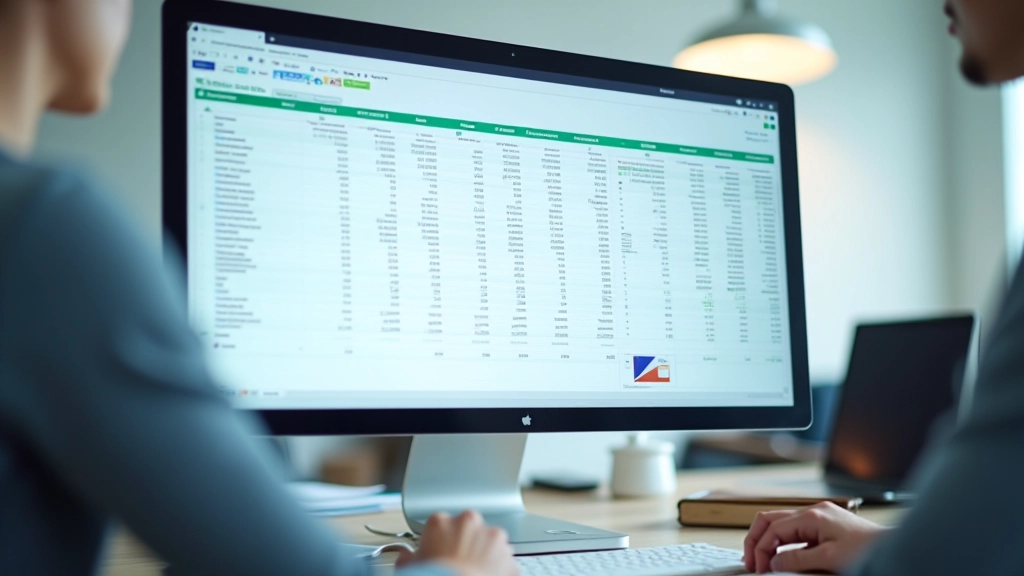
Start simple. Use Google Sheets, Excel, or Numbers — doesn’t matter. What matters is that you’ll actually use it.
Create headers in the first row: Date | Source | Description | Amount (RM) | Category. Then add entries as you get paid. Spend two minutes entering data each time money lands in your account. That’s it.
By the end of month one, you’ll have a clear picture. By month three, patterns emerge — you’ll see which platforms pay best, which types of work you’re getting more of, and where gaps exist. After six months? You’ll have half a year of income history ready if anyone asks.
Once you’ve been tracking for a month or two, add two summary rows at the bottom: one that totals your income by source, another that totals by category. Use simple SUM formulas — Google Sheets makes this automatic.
Now you’ve got numbers to work with. Let’s say you see that 60% of your income comes from freelance writing and 40% from tutoring. That’s valuable information. You know where to focus if you want to earn more. It also matters if you’re thinking about SSM registration — you’ll understand whether this side income is worth formalizing into a business structure.
Pro tip: Keep your spreadsheet in a folder you back up weekly. Cloud storage (Google Drive, OneDrive) is your friend here. If you lose this data, you’re scrambling at tax time.

Here’s something that sounds obvious but most people skip: open a separate bank account for your gig income. Seriously. It doesn’t need to be fancy. A basic savings account works.
Why does this matter? Because when you’re sorting through bank statements later, you won’t be hunting through three months of coffee purchases and grocery bills to find your actual work income. Your spreadsheet and your bank account match up. Taxes become straightforward. If you ever need to prove your income to a lender or government agency, you’ve got a clear paper trail.
Plus, it’s psychological. Seeing your gig income separate from your regular money makes it feel more real. You start thinking of it as actual business income, not just pocket money. That mindset shift helps you make better decisions about whether to invest in better tools, take on more work, or register formally.
Once you’re comfortable tracking income, consider adding an expenses section. Internet bill? Keep a portion in that spreadsheet. Software subscriptions for your work? Track it. Office supplies?
You don’t need to do this right away. But once you’re earning decent money, knowing your actual profit (income minus expenses) matters. It affects whether you should register as a sole proprietor. It matters for voluntary EPF calculations. It’s the difference between saying “I earned RM5,000” and “I earned RM5,000 but kept RM3,200 after costs.”
Add columns: Expense Date | Category | Description | Amount. Keep receipts (photos on your phone work) and match them to your spreadsheet entries. This takes maybe five more minutes per month, and it pays for itself in clarity.

This article provides educational information about tracking gig economy income. It’s not financial, tax, or legal advice. Tax regulations and SSM requirements change, and individual situations vary significantly. For decisions about sole proprietor registration, voluntary EPF contributions, or tax obligations, consult with a tax professional or accountant who understands Malaysian regulations. They’ll advise based on your specific circumstances.