Separating Personal and Business Finances
Why it matters and how to actually do it. Covers bank account setup, record-keeping, and the practical reasons this saves you headaches during tax season.

Why This Actually Matters
Here’s the thing — mixing personal and business money isn’t just messy, it’s expensive. When tax season rolls around, you’re spending hours digging through statements trying to figure out which transactions belong where. Plus, you’re probably missing deductions because everything’s tangled together.
We’ve seen freelancers and side hustlers lose money during audits simply because they couldn’t clearly show what was business expense and what was personal spending. It doesn’t have to be complicated though. A few straightforward steps now save you real headaches later.

Start With a Separate Bank Account
This is the foundation. You need a dedicated bank account for your side income. Not a separate savings account with the same bank — an actual different account, preferably at a different institution if possible.
When you route all business income through one account and personal spending through another, everything becomes transparent. Your accountant can pull three months of statements and immediately see what’s business income, what’s business expenses, and what’s personal. That clarity is worth its weight in gold during tax time.
Quick tip: Many Malaysian banks offer free basic business accounts. Check with Maybank, CIMB, and Public Bank — they’ve all got options for sole proprietors that don’t cost anything to maintain.

Keep Records That Actually Make Sense
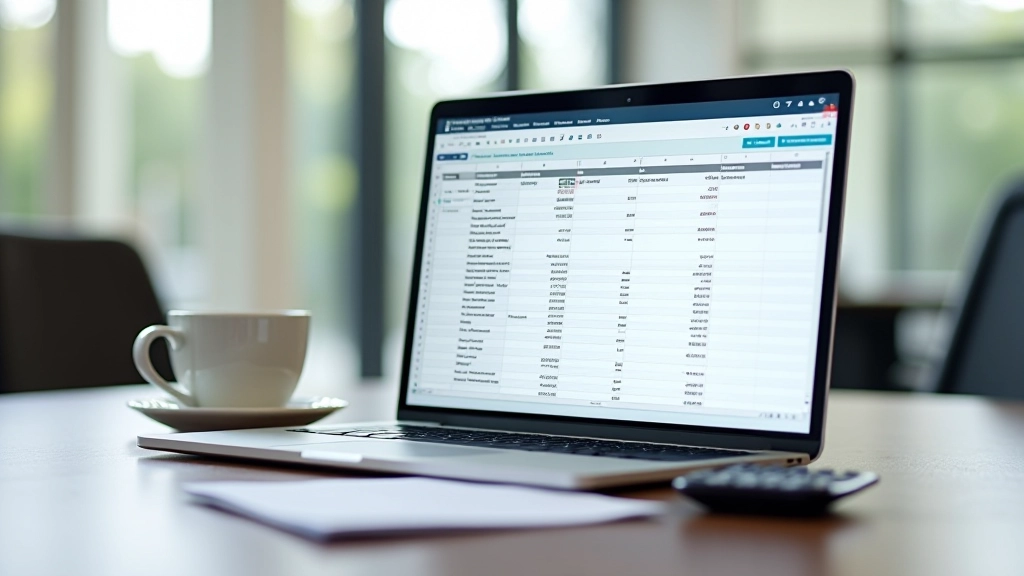
You don’t need fancy accounting software for this. A spreadsheet works perfectly fine. Create columns for date, description, amount, and category. That’s it. Every transaction from your business account gets logged.
The categories depend on your work. If you’re freelancing, you might have: client payments (income), software subscriptions, equipment, internet, phone, travel, meals with clients. If you’re doing something else, adjust accordingly. The point isn’t to be perfect — it’s to be consistent.
Do this monthly. Takes about 15 minutes if you’re doing it regularly. Wait until December and you’re looking at hours of work trying to remember what that random $50 charge was back in April.
Finding Deductions You’d Actually Miss
When personal and business finances are mixed, you lose track of legitimate deductions. With a separate account, they’re obvious.
Equipment & Technology
Laptop, monitor, keyboard, software licenses. If you use it for work, it’s deductible. That $400 monitor you bought? Track it.
Utilities & Space
Internet bill, electricity for your home office. You can deduct a portion based on how much space you use for work.
Communications
Phone bill, internet subscriptions used for work, project management tools. Separate work calls from personal and deduct the work portion.
Travel & Transport
Petrol for client meetings, parking fees, grab rides to meetings. Keep receipts and track mileage if you’re driving.
Meals & Entertainment
Meals during client meetings or business lunches are deductible. Personal dining isn’t — that’s why the separation matters.
Professional Development
Courses, certifications, books, conferences. If it helps you do your work better, it’s likely deductible.
The Practical Steps to Get Started
You don’t need to overhaul everything today. Here’s how to start without getting overwhelmed.
Open a Business Bank Account
Visit your bank this week. It takes 30 minutes. Ask about their current account options for sole proprietors — most banks won’t charge you anything if your balance stays above RM500-1000.
Redirect Your Income
Update your client payment details. All business income goes to the new account from now on. If clients are already paying your personal account, set up a transfer rule to move it immediately.
Create Your Record Sheet
Download a spreadsheet template or create your own. Columns: Date, Description, Category, Income, Expenses. That’s genuinely all you need to start.
Log Monthly (Every 30 Days)
Set a calendar reminder. First Friday of each month, spend 15 minutes reviewing your business account and recording transactions. That’s it. Consistency beats perfection.

Common Mistakes to Avoid
We’ve seen these patterns repeat. Watch out for them.
Using Personal Money for Business Expenses
Paying for office equipment from your personal account, then trying to remember to deduct it later. This creates a mess. Everything business should come from the business account or get reimbursed immediately.
Not Keeping Receipts
The receipt is proof. Without it, you can’t deduct the expense during an audit. Digital or physical — doesn’t matter. Keep them organized in a folder.
Waiting Until December to Record Anything
You’ll forget details. You’ll lose receipts. You’ll spend days in December playing accountant. Monthly logging takes 15 minutes and saves you from that nightmare.
Mixing Withdrawal and Spending
If you withdraw cash from the business account for personal use, track it. This is how people end up with unexplained cash flows during tax audits.
It’s Simpler Than You Think
Separating personal and business finances isn’t rocket science. It’s just being intentional about where money flows. One account for business. One account for personal. Records that track what happened. That’s the whole system.
You’ll notice the benefits immediately. Tax season becomes less stressful. You’re not frantically searching through statements. You’ve already got clear records. Your accountant (if you use one) will actually appreciate you. Plus, you’ll probably find deductions you didn’t realize you had.
Start this week. Open the account. Move your income there. Create a simple tracking sheet. That’s all it takes. The earlier you do it, the cleaner your records will be for the whole year.

Important Disclaimer
This article provides general educational information about separating personal and business finances. It’s not professional accounting or tax advice. Tax regulations in Malaysia change, and your specific situation might have unique requirements. For guidance on your particular circumstances — especially regarding SSM registration, voluntary EPF contributions, or tax obligations — consult with a qualified accountant or tax professional. They’ll review your specific setup and make sure you’re handling everything correctly.